

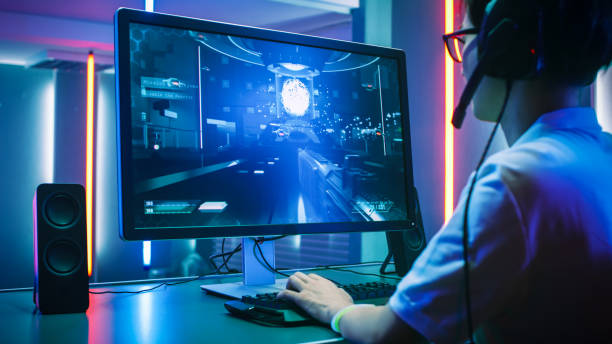
Have you ever noticed how online gaming can feel more like a social hangout than a solo pastime?
That shift did not happen by accident. As internet speeds improved and devices became more connected, games stopped being just about scores and levels. They became places where people talk, joke, compete, and spend time together in real time.
Today, online gaming is one of the easiest ways for people to connect across distance, age groups, and daily routines. It mixes communication, shared goals, and quick reactions in a way that feels natural to many players.
From Solo Play To Shared Space
The early days of gaming were often limited to one player on one screen. Once internet play became common, that setup changed fast. Players could face real people instead of computer-controlled opponents, and that added a human layer to every match.
Real-Time Interaction Changed The Mood
Real-time play made gaming feel less like a fixed activity and more like a live conversation. Players reacted to each other’s moves, adapted on the fly, and started building habits around teamwork and rivalry.
Text chat and voice chat also made a big difference. Even simple messages like a quick hello, a joke after a win, or a bit of friendly teasing helped turn matches into social moments. A lot of people now treat gaming time the same way others treat a call or group chat.
Shared Goals Created Natural Bonds
Many online games ask players to work together toward a common goal. That shared pressure can create fast connections, especially when people rely on one another to succeed. It is common for players to remember the person who saved a match, gave useful advice, or stayed calm when things got tense.
These small moments matter because they build trust. Over time, repeated play with the same people can turn strangers into regular teammates and, sometimes, real friends.
Why Communication Feels So Easy
Online gaming makes conversation feel less forced than many other digital spaces. There is always something happening, so players have a reason to talk. That makes it easier for quiet people to open up and for larger groups to stay active.
Games Give People A Shared Topic
When people already have a common focus, conversation starts with less pressure. They can talk about strategy, funny mistakes, or a close finish without needing a separate topic. That simple structure helps people connect even if they have never met before.
For many players, the social side begins long before the match starts. Waiting rooms, team planning, and post-match reactions all give people time to talk in a way that feels casual and relaxed.
Online Identity Can Feel Safer
Some people find it easier to be social online because they can control how much of themselves they share. A username and avatar can lower the stress that sometimes comes with face-to-face interaction. That can be especially helpful for shy players or people in places where they do not have many chances to meet others.
Platforms like asia303 reflect how much online play now centers on social interaction, not just competition. Players are often there as much for the people as for the activity itself.
The Role Of Communities And Culture
Online gaming also grew through communities that formed around it. Players started making groups, sharing clips, comparing tactics, and building inside jokes that only others in the same game would understand.
Communities Kept Players Coming Back
Once a player joins a regular group, gaming becomes part of a routine. That routine can include daily check-ins, weekend matches, or late-night sessions with friends. The game becomes the setting, but the social connection is often the real reason people return.
These communities can be surprisingly supportive. People celebrate wins together, talk through losses, and help newer players learn the basics. That mix of shared learning and shared fun gives online gaming a strong social pull.
Streaming And Sharing Made Gaming More Public
As more people started watching gameplay and sharing reactions online, gaming moved beyond private play sessions. Friends could comment on a match later, talk about a funny moment, or join a group because they saw someone else enjoying it. That kind of visibility helped gaming become part of everyday social talk.
Some players even follow topics like situs slot gacor because online gaming spaces often overlap with broader conversations about play styles, timing, and community interest. The point is not just the game itself, but the shared discussion around it.
Final Thoughts
Online gaming keeps working as a social space because it combines communication, teamwork, and routine. It does not ask people to sit through formal conversation. Instead, it gives them a reason to react, cooperate, and laugh together while doing something active. For many players, that is what makes online gaming stand out as one of the internet’s most social experiences.
