

Exploring the Benefits of Solar Kits: Why Go Green?
Saving Money: The Financial Upsides of Solar Energy
One of the most compelling reasons to transition to solar energy is the significant savings that can be realized on energy bills. By installing a solar kit, homeowners can drastically reduce their dependence on traditional electricity from the grid and capitalize on the sun’s free energy. Initial investment costs for solar panels can be recouped through the reduction in your electricity bills, making it a financially sound decision in the long run.
Many states and local governments provide tax incentives, rebates, and financing options for solar energy installations, which can further lower out-of-pocket expenses. Federal tax credits have also been enacted, offering up to 30% off the total installation cost for residential solar systems, thus making solar energy accessible for an even broader audience. Furthermore, as energy rates continue to rise, locking into a renewable energy source can provide stability and predictability in terms of future energy costs.
Additionally, solar energy systems can increase property values. Several studies indicate that homes equipped with solar energy systems sell for more than homes without them. This heightened marketability serves as an additional financial incentive, along with the environmental gains that come with adopting sustainable practices.
Environmental Impact: How Solar Kits Help Conserve Our Planet
Solar power is one of the cleanest forms of energy available, and using solar kits can significantly reduce a home’s carbon footprint. Unlike fossil fuels, which release harmful greenhouse gases and pollutants into the atmosphere, solar energy generates power without contributing to air or water pollution. This direct impact of adopting solar technology is crucial in battling climate change, promoting cleaner air, and enabling a sustainable energy future.
Furthermore, solar kits contribute to reducing the overall demand for fossil fuels, which is causing irreversible damage to the planet. By embracing solar, homeowners actively participate in a larger movement towards renewable energy that is essential for preserving biodiversity and mitigating the effects of global warming. The shift to solar serves not only individual households but creates a ripple effect across the community, prompting additional investments into renewable energy and sustainable practices.
Solar energy is also associated with water conservation, particularly when compared to traditional energy sources, which require vast amounts of water for cooling processes. This means that utilizing solar energy reduces the strain on water resources, contributing to a more sustainable ecosystem. As communities increasingly adopt solar technology, we can collectively work towards a cleaner, greener, and more sustainable planet for future generations.
Energy Independence: Powering Your Home Without Reliance on the Grid
Switching to solar energy empowers homeowners with a degree of energy independence that is both liberating and practical. By generating your electricity, you reduce the dependency on your local utility provider, making for a more reliable and self-sufficient energy source. This autonomy is particularly crucial during times of crisis, such as extreme weather events or broader grid failures that can lead to blackouts. A solar kit, especially when combined with energy storage solutions like batteries, allows homeowners to maintain power even in the face of outages.
Moreover, this energy independence promotes an innovative mindset, urging individuals to be more conscious of their energy consumption and encouraging investments in energy-efficient appliances and practices. As renewable energy technologies continue to evolve, homeowners can further tailor their systems to meet individual needs, laying the groundwork for smarter and more sustainable living environments. Ultimately, energy independence fosters resilience and provides peace of mind, knowing that essential appliances can continue to function without relying on external power sources.
Choosing the Right Solar Kit: A Smart Shopper’s Guide
Understand Your Energy Needs: Assessing Power Requirements
Before diving into the world of solar kits, it’s essential to evaluate your household’s energy needs accurately. This assessment is pivotal for ensuring that you choose a solar kit that can effectively power your home without overspending on unnecessary capacity. Begin by analyzing past electricity bills to determine your average monthly or yearly energy consumption, typically measured in kilowatt-hours (kWh).
Consider creating a list of all the appliances and devices in your home, noting their power ratings to understand which items consume the most energy. High-demand appliances like heating systems, air conditioners, and water heaters should be prioritized when assessing your total power needs. Understanding your energy requirements will not only help determine the size and scope of the solar kit you require but can also guide you in optimizing your home’s energy efficiency by identifying opportunities for reduction.
Future considerations are also essential: if you’re planning on expanding your family, adding more electrical devices, or making significant renovations, factor these estimates into your overall power requirements. This holistic approach will ensure a long-term investment in your solar power system that meets not only your current needs but also those of the future.
Components Breakdown: What to Look for in a Solar Kit
A solar kit typically includes several key components: solar panels, inverters, mounting equipment, and sometimes batteries for energy storage. Knowing how these components work together is crucial for making an informed purchasing decision.
Solar panels are the heart of the system; look for high-efficiency panels, measured in watts, which indicate the amount of sunlight converted into usable electricity. The higher the efficiency, the fewer panels you may need to achieve your energy goals. Additionally, consider the warranty, which typically ranges from 20 to 25 years. A strong warranty often speaks to the manufacturer’s confidence in their product’s durability and performance.
Inverters transform the direct current (DC) generated by the solar panels into alternating current (AC), which powers your home. String inverters, microinverters, and power optimizers are popular choices, each offering distinct advantages depending on your unique setup and roof dynamics. Pay attention to where your solar panels will be installed, shading factors, and how power will be distributed within your home.
Lastly, if you are considering energy storage solutions like solar batteries, assess their capacity, discharge rates, and warranties as well. These will allow you to utilize solar energy during evening hours or during power outages while also enabling energy management for peak usage times. Understanding these components in their entirety is key to finding a comprehensive solar kit that suits your energy needs and lifestyle preferences.
Comparing Brands: Top Solar Kit Manufacturers Reviewed
When it comes to selecting a solar kit, the variety of brands can be overwhelming. However, several manufacturers stand out due to their reputations, technology, and customer satisfaction. Brands such as SunPower, LG, and Canadian Solar are recognized for producing high-efficiency, reliable solar panels with exceptional warranties. Compare energy outputs, efficiencies, and aesthetics to find products that not only meet your technical requirements but also match your home’s design.
Inverters from companies like SMA, Enphase, and SolarEdge also hold exceptional reputations, providing innovative solutions to enhance energy yields and performance monitoring. Battery solutions like Tesla Powerwall, LG Chem, and Sonnen offer various capacity options, allowing customization based on your storage needs. It’s sensible to read reviews, check testimonials, and consult with solar professionals to glean insights about performance, reliability, and customer service, which can vary widely across different manufacturers.
The best strategy is to balance brand reliability with cost-effectiveness while ensuring that you do not compromise on quality and performance. Diverse options may exist in the market; however, researching and comparing products from different brands will help you make an informed decision yielding long-term satisfaction and value from your investment in solar energy.
Installation Insights: DIY versus Professional Help
Step-by-Step Guide: How to Install Your Solar Kit Yourself
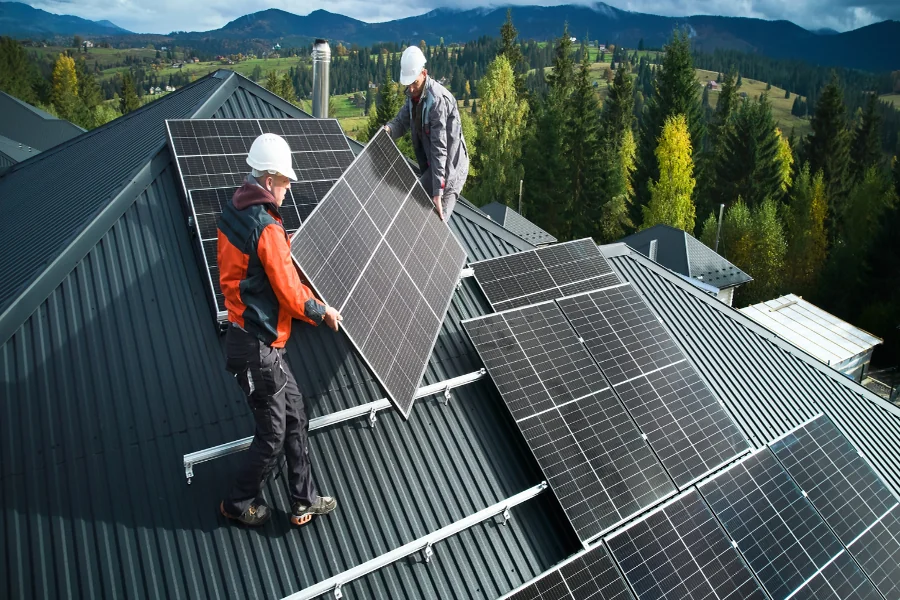
For the adventurous and hands-on homeowner, installing a solar kit yourself can be a rewarding experience, offering not only the satisfaction of completing a DIY project but also the opportunity to save on installation fees. However, before embarking on a DIY installation, it’s essential to understand the complexities involved, which will depend on the size of your system, local regulations, and your own comfort with electrical work.
Start by conducting extensive research on the installation process specific to your solar kit. This typically involves reviewing the manufacturer’s guidelines and instructions thoroughly. Gather the necessary tools such as a drill, a ladder, a socket set, and safety equipment. Be sure to also involve someone for safety reasons and participate in teamwork while navigating your roof.
The installation itself generally follows a series of steps: First, secure the mounting hardware to your roof, taking care to consider drainage and avoid potential leaks. Then, attach the solar panels to the mounting brackets, ensuring they face the right angle to maximize sunlight exposure. Afterwards, you’ll need to connect the panels to the inverter, which converts the power for home use. Finally, it’s crucial to follow local electrical codes while safely connecting your system to your home’s electrical grid and ensure compliance with all applicable safety measures before testing the system. Proper grounding and wiring are essential for preventing potential hazards.
While the DIY approach can lead to substantial cost savings, it’s imperative to recognize your limitations and consult with professionals when in doubt. Addressing improper installation can lead to costly repairs or reduced system performance, negating the initial savings on labor. As such, be sure to weigh your ability against the complexity of the project before proceeding with a DIY installation.
When to Call the Pros: Understanding Installation Complexity
While a DIY installation can be rewarding, there are cases when it’s wise to call in the experts. If your solar kit is extensive and complex, involving multiple panels or more complicated energy management systems, it could be best handled by professionals who have the necessary experience and knowledge. Take note of potential factors such as your roof type, pitch, shading conditions, and location, which can contribute greatly to installation challenges and may necessitate an expert’s skills.
Another key consideration is local regulations and permits required for solar installation. Different states and municipalities have varying rules concerning solar energy systems, including how to connect to the grid, inspection approvals, and adherence to building codes. Engaging professionals ensures you remain compliant with all regulations, avoiding unnecessary fines and complications down the line.
Additionally, if electrical work is required to connect your system directly to your home’s wiring, consulting a licensed electrician is highly recommended to ensure safety and compliance. Professional installers possess expertise that allows them to handle potential hiccups during the installation process, ensuring your system is installed properly and efficiently. Ultimately, while deciding between DIY and professional consultation depends on your circumstances, understanding the intricacies of both approaches can lead to a successful solar installation experience.
Permits and Regulations: Navigating the Legal Landscape
Navigating the permits and regulations is one of the more daunting aspects of solar installation but is critical for the success of your project. Before installation, it’s vital to research the local and state regulations regarding solar energy systems. This includes understanding any specific permitting requirements necessary before commencing installation. Many local jurisdictions require permits to ensure systems are installed socially and environmentally responsibly.
Engaging your local housing authority or utilities division can provide essential insights concerning who to contact for permits, how long the process typically takes, and what information you’ll need to submit. Local codes may dictate aspects of your installation like setback distances, roof height, and electrical configurations, which can all affect your solar kit build.
In addition, incentives and rebates might be available for your solar kit, which could serve to support your financing options considerably. Understanding how the interplay of local laws, state mandates, and federal incentives works will allow you to maximize the benefits of your investment and ensure a smooth setup process. Completing all necessary legal considerations not only mitigates future complications but also establishes a solid foundation for enjoying the benefits of your solar power system.
Maintaining Your Solar Kit: Ensuring Longevity and Efficiency
Simple Upkeep Tips: Keeping Your Solar Panels in Top Shape
Once your solar kit is installed, ongoing maintenance is essential to ensure optimal performance and longevity. One of the first steps of maintenance includes keeping your solar panels clean. Dust, dirt, leaves, and bird droppings can reduce the effectiveness of your panels. Depending on your local environment, periodic cleaning–either through rain or manual washes, using gentle soap and soft brushes–may be necessary to preserve their efficiency.
Additionally, check your system regularly for debris buildup, especially after severe weather events that may dislodge branches or leaves onto the panels. Inspect your panels for any visible signs of damage like cracking, fading, or corrosion. If you notice anything amiss, it’s wise to contact your manufacturer or installer for support and potential repair.
Another fundamental form of upkeep involves monitoring your solar kit’s performance continually. Regularly track your energy output to ensure that your solar panels are providing the expected kilowatts. Most modern solar installations will include monitoring systems that can be accessed via smartphone or computer, allowing you to monitor performance from afar. By remaining proactive with upkeep and performance tracking, you can identify issues before they escalate, saving money and maintaining optimal operating performance.
Monitoring Performance: How to Track Energy Output
Monitoring your solar system’s performance is an essential aspect of ownership that ensures your investment remains effective over time. Many solar kits come pre-equipped with performance monitoring systems, either through built-in software or external apps. Utilizing these tools will allow you to keep track of real-time energy production and consumption, enabling a deeper understanding of how your system functions.
By comparing actual power generation against expected outputs based on historical data, homeowners can identify discrepancies that may signal potential issues. Variances can stem from a lack of maintenance, environmental factors, or system malfunctions. Advanced monitoring systems also provide alerts for performance drops, helping you stay on top of your solar energy generation needs.
Additionally, keep an eye on your electricity bills. A noticeable increase in your usage while using solar energy may indicate issues within the system that needs addressing. Regular performance evaluations involving detailed reports from monitoring systems can help optimize energy savings and ensure your solar kit continues to serve its function effectively.
Troubleshooting Common Issues: What to Do When Things Go Wrong
Even with diligent maintenance, common issues may arise during the life of your solar kit. The most frequent problems homeowners encounter include a significant drop in performance, communication errors with monitoring systems, or physical damage due to weather events. Understanding how to troubleshoot these issues is essential in maintaining your energy independence and safeguarding your initial investment.
If you notice that your energy output is significantly lower than expected, perform a visual inspection of the solar panels. Check for shading from nearby trees or other structures and inspect for dirt and debris buildup along the panels. If all appears to be clean and unobstructed, and the problem persists, reviewing the inverter may be warranted, as this component is responsible for converting the energy for use. Refer to your monitoring apps for any error codes, which can often provide specific insights into what might be wrong.
In instances of physical damage or electrical issues, immediately shutting down the system and contacting a qualified technician for assistance is advised. It’s essential to prioritize safety during troubleshooting efforts, particularly when dealing with electrical components. Awareness of common issues and developing a plan of action while relying on professional help when necessary can ensure your solar kit remains reliable and continues to operate at peak performance levels.
In conclusion, investing in solar kits is not only an environmentally responsible decision but also a financially beneficial strategy for modern homeowners, providing energy savings, contributing to environmental health, and allowing for energy independence. By understanding the system, choosing the right kit, navigating installation and maintenance effectively, homeowners can empower themselves to take control of their energy future with confidence.
